
The Evolution of Surveillance in the Era of Real-Time Data Processing |
In today’s IoT-driven landscape, surveillance has evolved far beyond traditional security functions. Powered by real-time data processing, modern surveillance systems now play a vital role in operational efficiency, safety, and quality assurance across industries.
From industrial automation to smart cities, surveillance systems continuously capture and analyze data to enable immediate decision-making. Industrial facilities leverage real-time insights to identify bottlenecks, optimize workflows, and maintain product quality. Meanwhile, smart traffic systems depend on real-time data processing to reduce congestion, enhance mobility, and improve public safety.
As these applications expand, surveillance systems generate massive volumes of data that must be processed, analyzed, and stored without latency. This makes high-performance, reliable storage infrastructure a critical foundation.
|
Challenges |
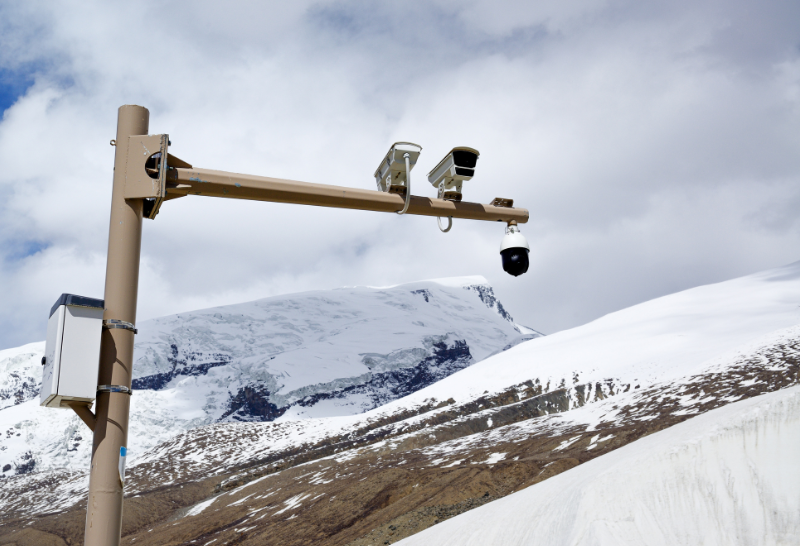 |
Surveillance deployments often operate in extreme conditions, including temperature fluctuations, dust exposure, and constant vibration. Storage solutions must maintain stability and endurance to support uninterrupted real-time data processing in these environments. |
|
 |
Continuous video capture and analytics generate vast data streams that require immediate processing and storage. Systems must deliver low latency, high throughput, and consistent performance under heavy workloads and simultaneous access demands—especially in large-scale deployments. |
|
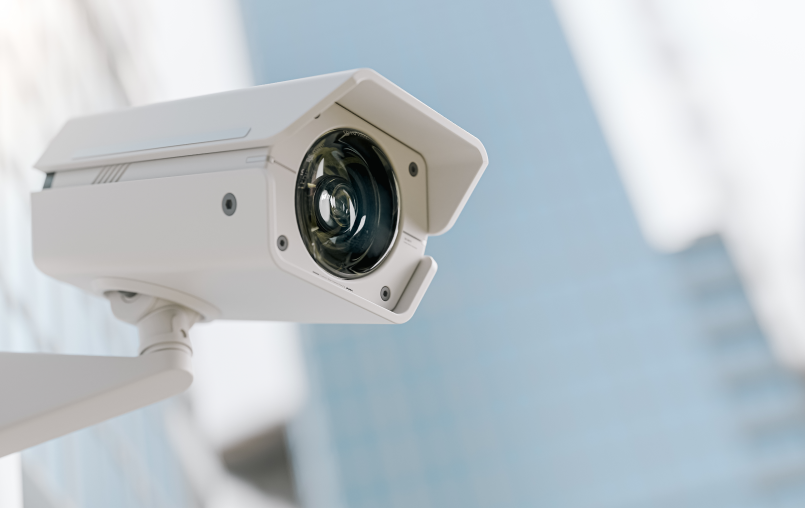 |
Surveillance infrastructures range from small local systems to city-wide networks. Scaling storage to support increasing data volumes while maintaining real-time data processing capabilities—and without excessive cost—remains a critical challenge. |
|
|
Requirements |
- Reliability Under Continuous Operation: Industrial surveillance systems demand 24/7 uptime. Storage solutions must ensure uninterrupted recording and instant access to real-time data, even under environmental stress or power instability.
- Scalable and Flexible Architecture: Different use cases require different storage configurations. A flexible architecture allows organizations to scale capacity and adapt performance based on real-time data processing needs, from edge devices to centralized systems.
- Optimized Balance of Performance, Cost, and Endurance: No single storage technology fits all scenarios. Hard disk drives (HDDs) are suitable for high-capacity archival storage, while solid-state drives (SSDs) provide the speed and durability required for real-time data processing and analytics. The optimal approach often involves a hybrid architecture.
Enabling Reliable Real-Time Data Processing with Industrial Storage
Apacer’s industrial-grade storage solutions are designed for surveillance applications, featuring dustproof, anti-static, and wide-temperature operation to ensure system stability. Each device undergoes rigorous testing for temperature fluctuations, humidity, and electrostatic discharge. With low power consumption and power failure protection, Apacer storage solutions provide reliable, high-durability performance, making them ideal for demanding surveillance environments.
Why SLC-liteX is Ideal for Real-Time Surveillance Workloads
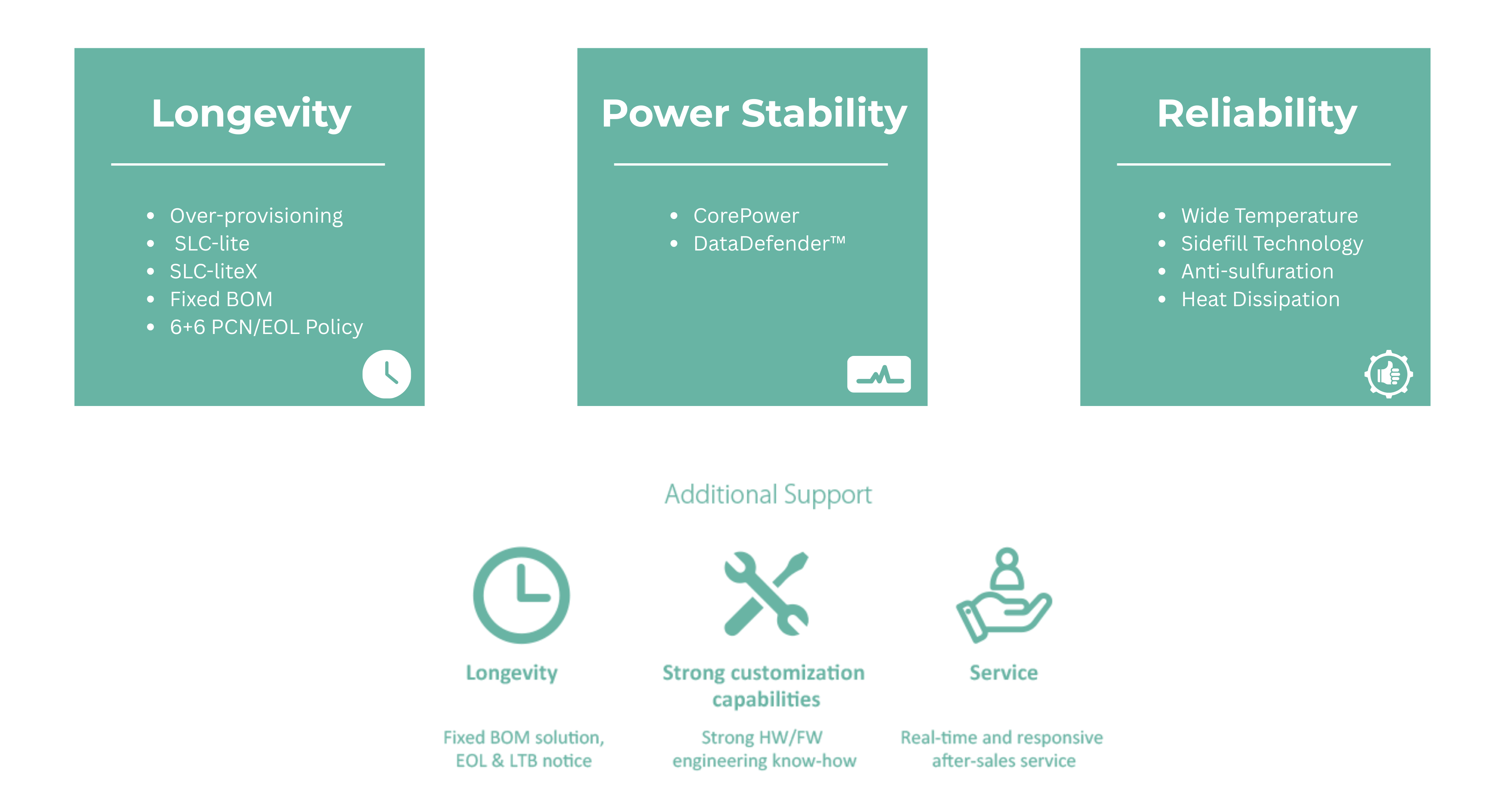
For surveillance applications that require intensive, continuous data writing, SLC-liteX SSD technology offers a strong balance between endurance and cost efficiency. With up to 100K program/erase (P/E) cycles, SLC-liteX significantly extends drive lifespan compared to standard NAND solutions. This makes it particularly well-suited for real-time data processing environments where high write volumes are constant.
By combining durability, performance, and cost-effective scalability, SLC-liteX enables organizations to build reliable surveillance systems capable of handling continuous real-time workloads without compromising budget constraints.
-
New

SSD
UT110-UFD1
-
New
SSD
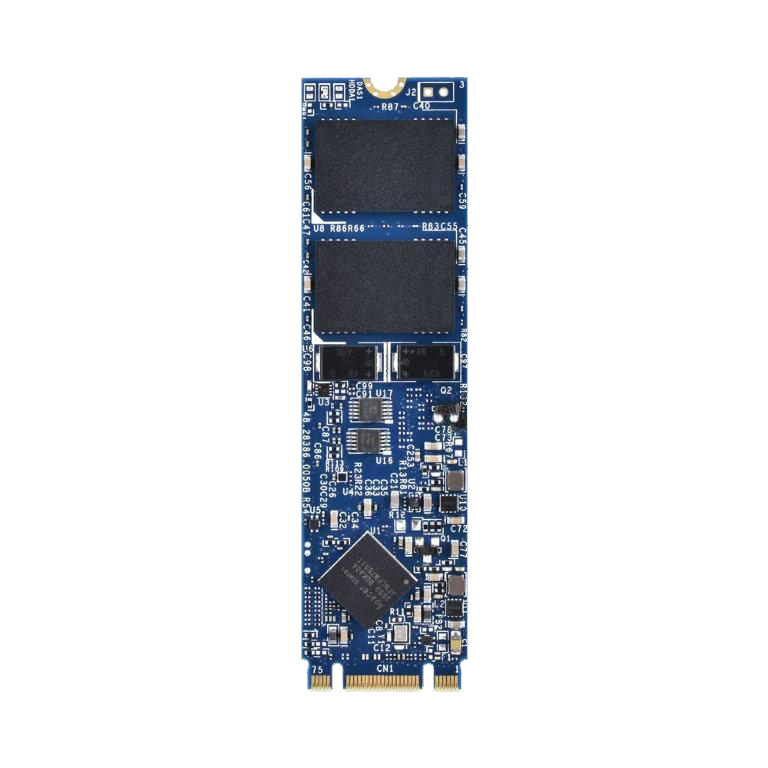
SV25V-M280 CoreVolt 2
-
New

SSD
PV25V-M280 CoreVolt 2
-
New
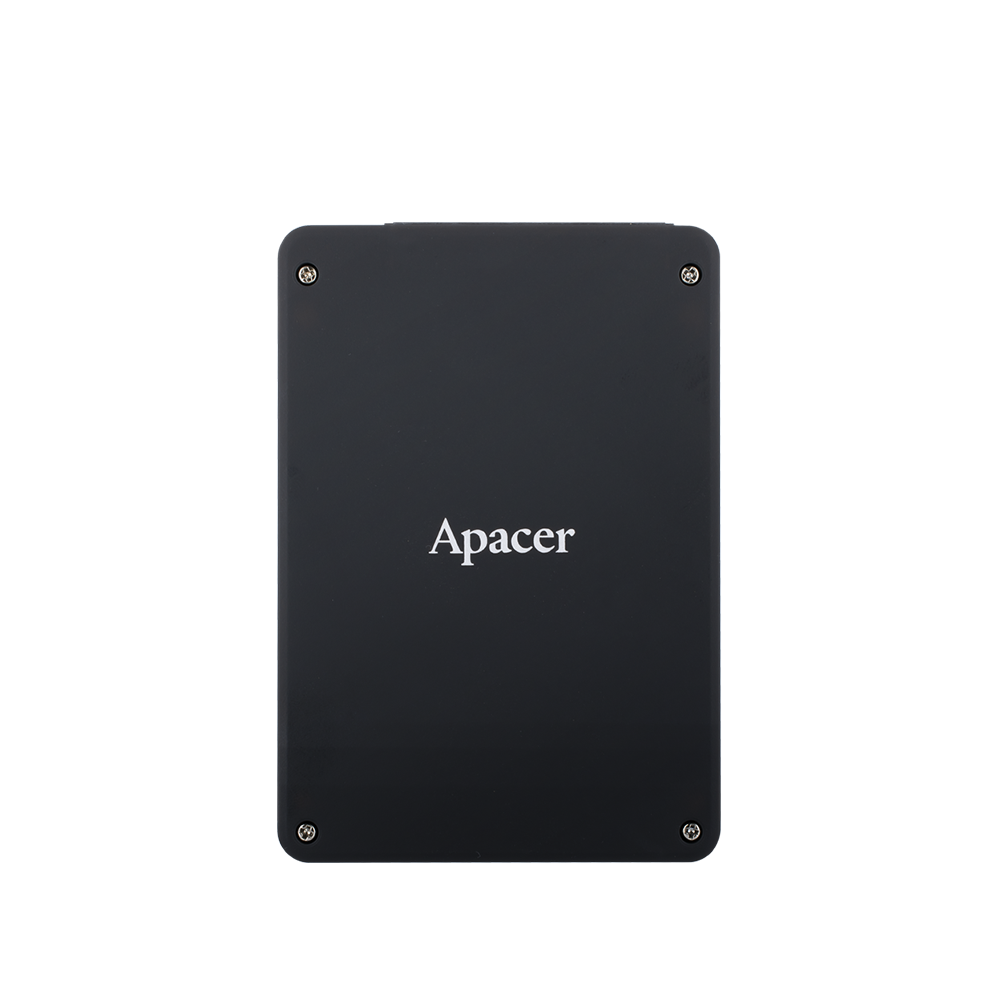
SSD
SH240-25
-
New
-M230_1000x1000_F.png)
SSD
PV250-M230
-
New
SSD
PT250-M230
-
New
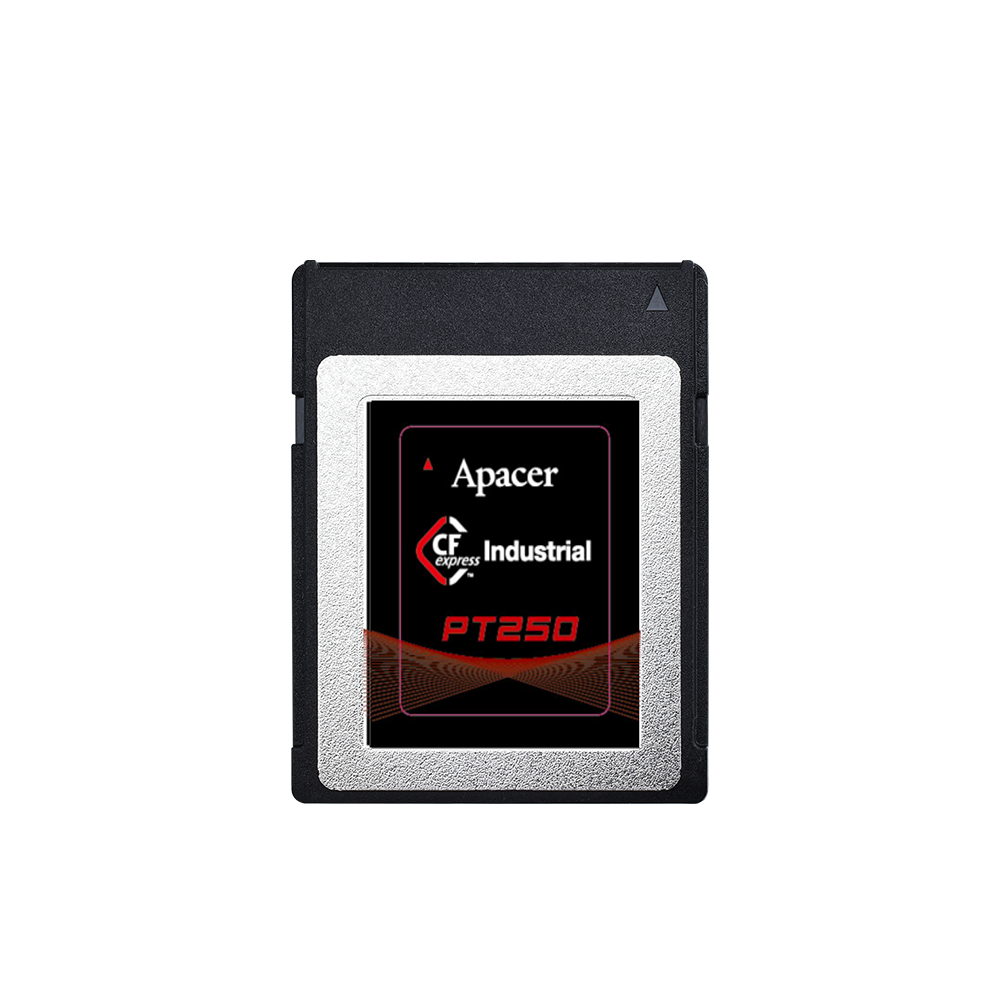
SSD
PT250-CFX
-
New
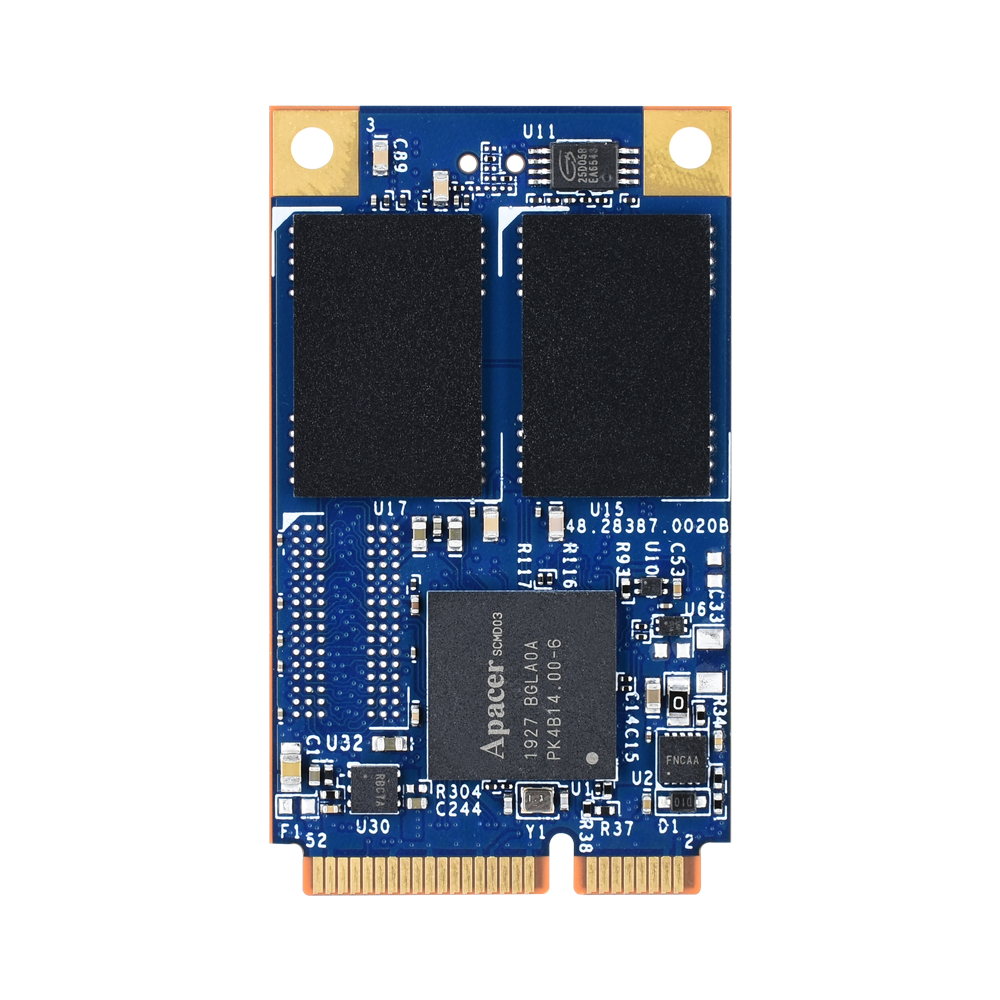
SSD
SV240-300
-
New
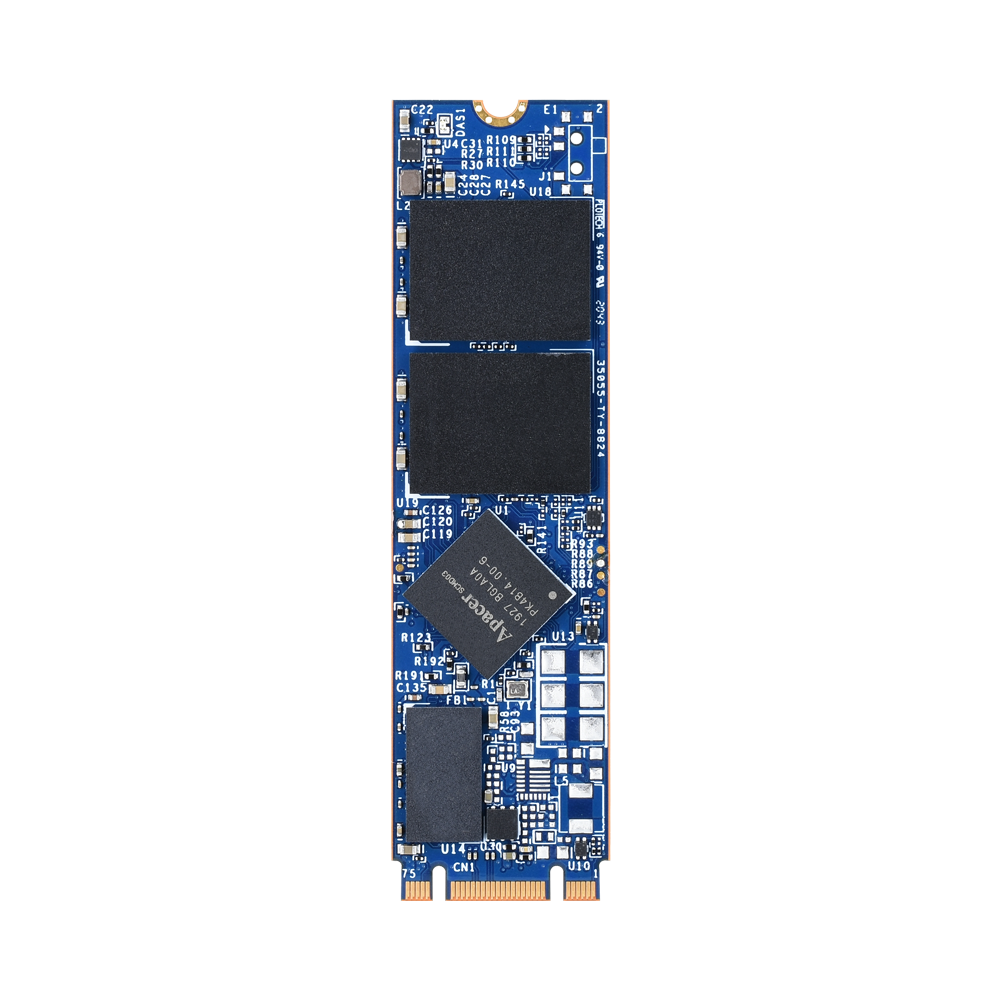
SSD
SV240-M280
-
New
SSD
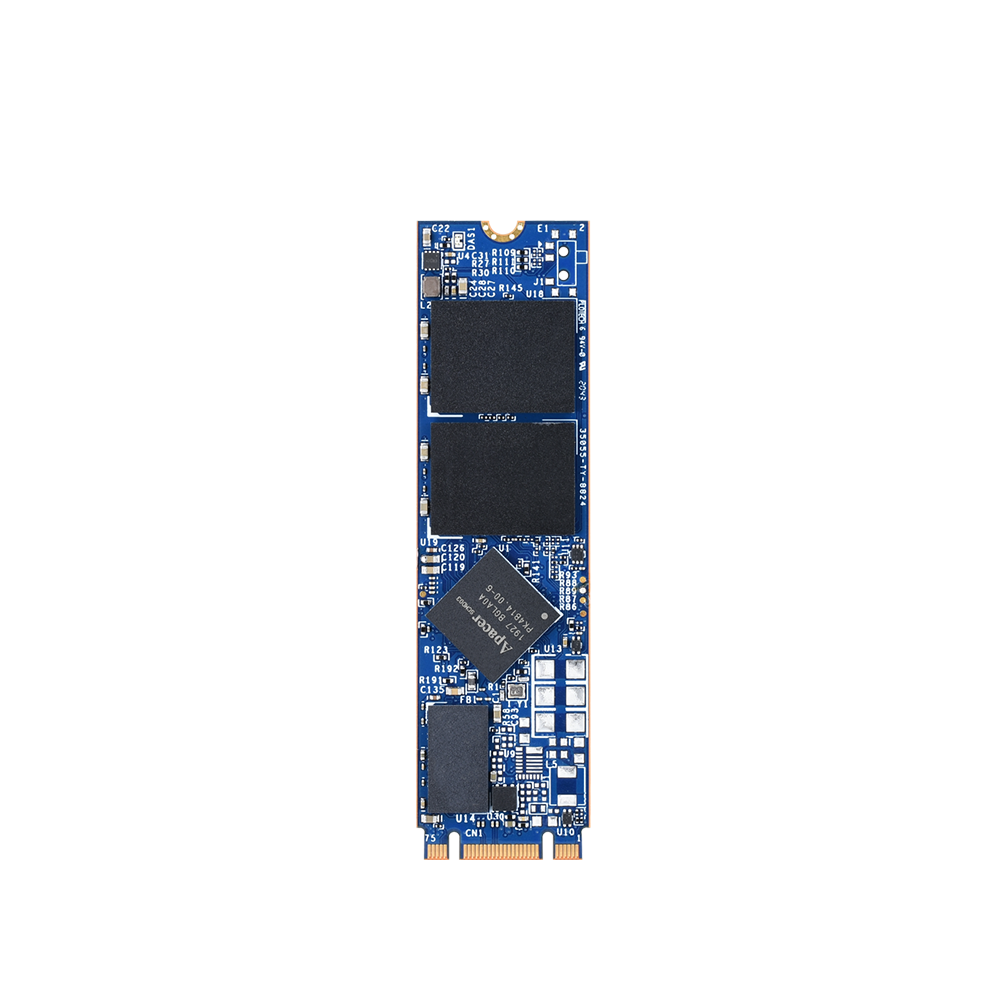
SH240-M280
-
New
SSD
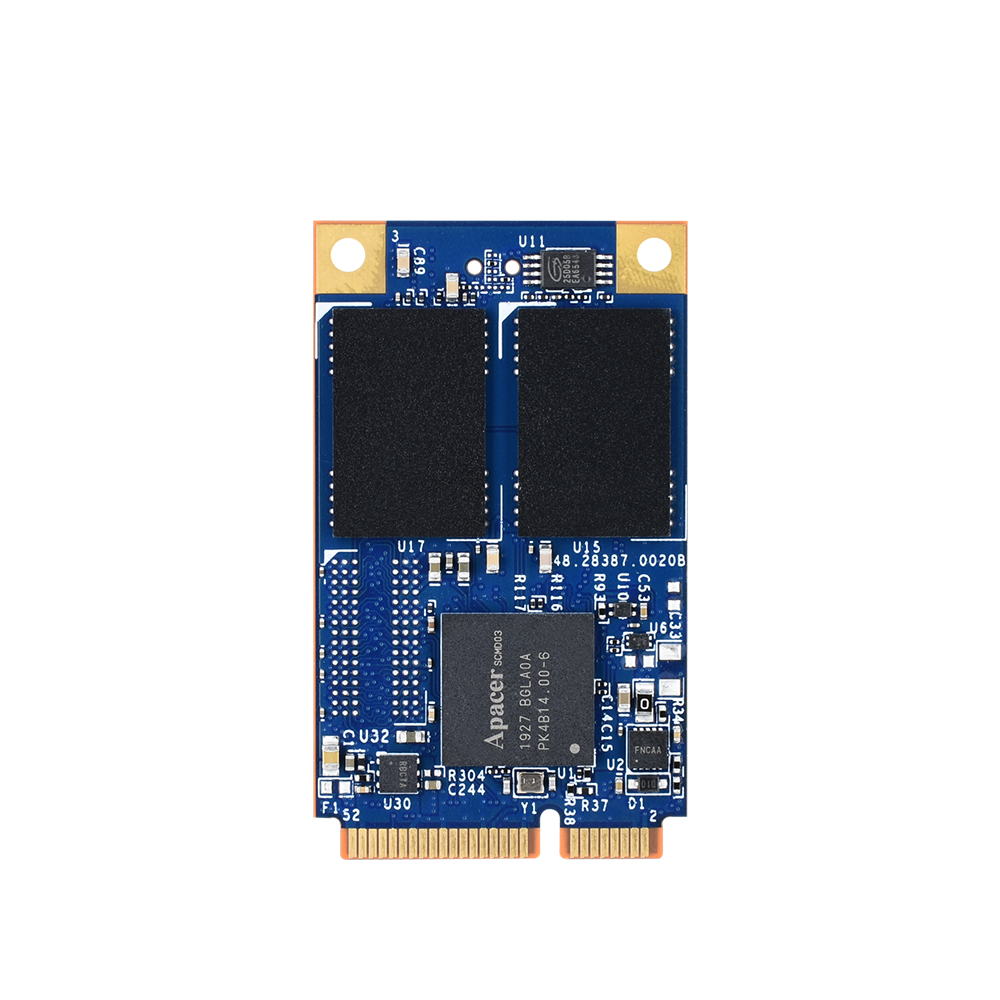
SH240-300