
Artificial intelligence is reshaping how data is created, processed, and stored.
From creators using local AI tools to enterprises training models on private datasets, the demand for high-performance, high-integrity storage continues to accelerate.
Network-Attached Storage (NAS) is no longer just a centralized repository — it is evolving into an intelligent data hub that connects users, devices, and AI applications.
In this edition of Intelligence in Motion, Apacer Gibson Chen and QNAP CEO Meiji Chang share their perspectives on how NAS architecture and SSD technologies are adapting to support the next generation of AI workloads.
“AI doesn’t just create more data — it changes how data behaves. The future of storage isn’t just about capacity, but about intelligence, reliability, and adaptability.”
— Gibson Chen, President of ApacerAt Apacer, we observe a fundamental shift in how data interacts with storage.
AI workloads — from creative applications to industrial analytics — introduce dynamic read/write patterns that demand far greater consistency, endurance, and stability than traditional storage environments.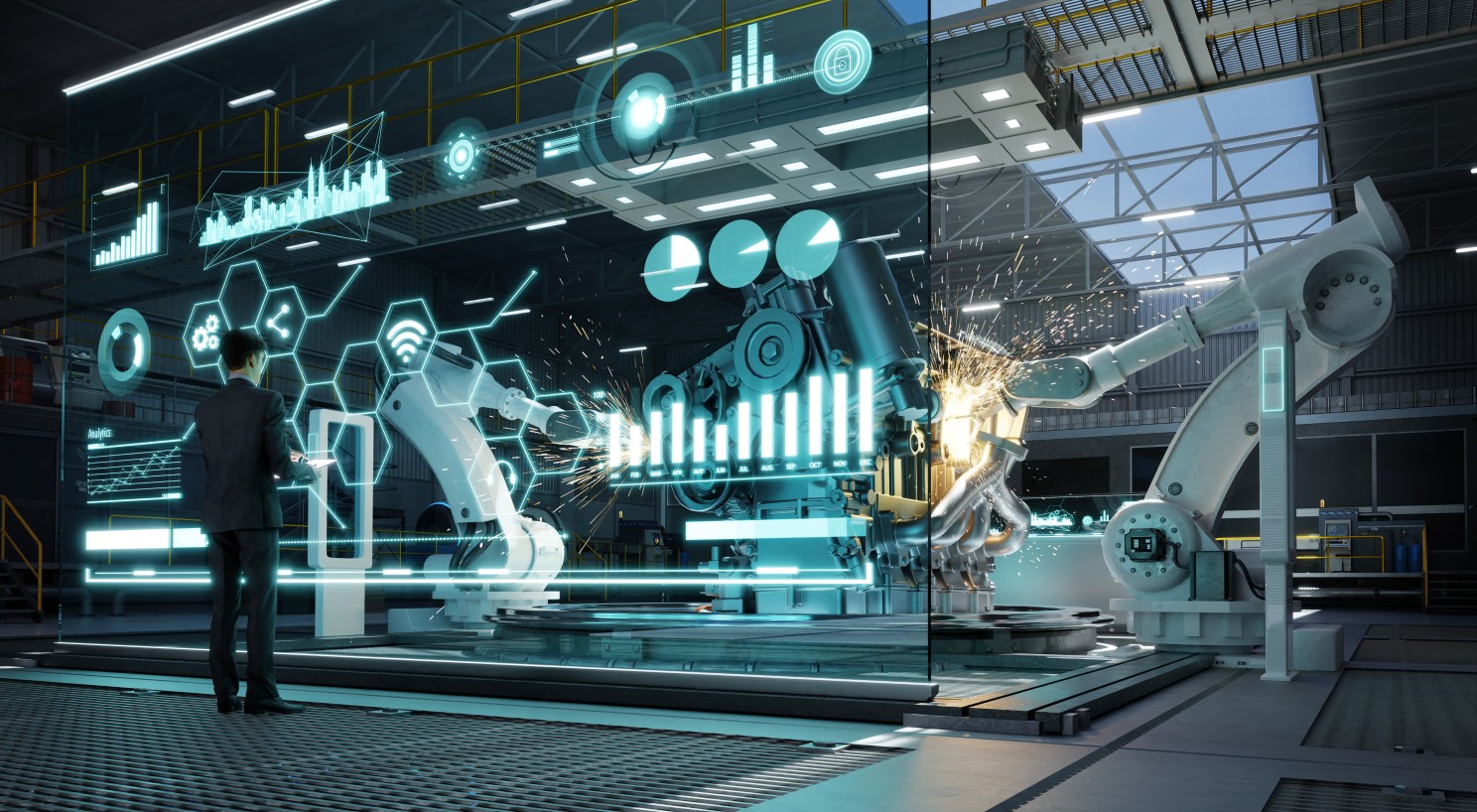
NAS systems, once designed primarily for backup and archiving, are now being redefined to support data analysis, caching, and even localized AI inference. These evolving workloads require SSD-based architectures capable of delivering predictable low latency and sustained throughput.
From our experience, three key transitions are shaping this evolution:
To support these demands, NAS must deliver:
“As AI moves to the edge, NAS is evolving into a critical platform—enabling low-latency access, data integrity, and real-time intelligence.”
— Meiji Chang, QNAP CEO
AI is transforming not only how data is processed, but where intelligence is ultimately created. Across every sector we serve, we observe a structural shift toward localized AI inference, private LLM deployments, and real-time decision-making at the edge. In this environment, NAS is no longer a passive repository — it becomes a strategic data platform that underpins low-latency access, integrity, and operational continuity.

This shift is particularly evident in the rise of on-prem AI and local RAG-based search, where organizations prioritize data sovereignty, predictable performance, and lower latency over cloud-dependent architectures. The motivation is clear: mission-critical operations increasingly rely on sensitive, fast-evolving datasets that must remain close to the point of creation. As Fortune Business Insights reports, Edge AI is set to grow at more than 30% CAGR through 2032 — confirming that private intelligence will be a defining characteristic of modern infrastructure.
Such workloads also elevate expectations for storage. Frequent model access, continuous content refresh, and rapid retrieval of contextual data place new pressure on SSD performance, endurance, and stability. At QNAP, we see this acceleration as a long-term direction and are aligning future NAS platforms with the needs of AI — including hybrid CPU/GPU/NPU acceleration, multi-tier storage architectures, and high-bandwidth Ethernet connectivity that keep SSD-based AI pipelines efficient and resilient.
Looking forward, AI-ready NAS must combine compute, connectivity, and integrity into a single architectural foundation. As intelligence becomes increasingly distributed, NAS will play a central role in ensuring that data — the fuel of every model and insight — remains accurate, accessible, and protected at the edge.
These challenges demand more than incremental upgrades — they require storage designed for intelligence, not just capacity.
AI workloads are redefining storage expectations across three key dimensions:
As AI adoption expands, the boundary between compute and storage continues to blur. Reliable, efficient storage is no longer a supporting component — it is a foundational enabler of AI innovation.
AI is transforming not only how data is processed, but how it is valued.
The future of NAS lies in supporting intelligence — not just storing information.
Apacer and QNAP share a common vision: to enable organizations with high-performance, reliable storage infrastructures that evolve alongside AI.